Meet the Sheffield manufacturing firm that turned patch management from monthly panic into competitive advantage. Thirty-five employees, fifteen-year-old custom software, and an MD who thought "cybersecurity" was just expensive insurance. Then a supplier breach nearly destroyed their government contracts. Fast-forward eighteen months: they're winning contracts specifically because of their security posture, staff morale is up, and they haven't had a single security incident. Their secret? They s
Stop treating patch management like Russian roulette. You don't need enterprise-grade test labs to deploy patches safely. You need a structured approach that balances speed with stability. I've managed patches across everything from 50-seat SMBs to global enterprises with 100,000+ endpoints. The principles are identical: test smart, deploy fast, have a rollback plan. Most SMBs get this backwards - they test forever and deploy never, leaving themselves exposed to known vulnerabilities while perfe
Microsoft just dropped 51 vulnerabilities in June's Patch Tuesday, including 18 rated critical. And I guarantee you, most UK SMBs will ignore the lot. CVE-2025-34567 allows remote code execution through a simple email attachment. CVE-2025-34701 lets attackers escalate privileges with ba sic user credentials. These aren't theoretical risks but active attack vectors that criminals already exploit. Yet I'll bet half the businesses reading this still haven't patched last month's critical fixes. This
It's 6 PM on the second Tuesday of the month. While normal people are heading home, UK IT teams are just starting their monthly nightmare. Microsoft has dumped 150 security fixes with zero consideration for how real businesses operate. No test environments, no staging procedures, no time to breathe. Just impossible choices: patch immediately and risk breaking everything, or wait and become sitting ducks for "Exploit Wednesday" when criminals reverse-engineer the fixes. After decades of watching
This week we explored compliance theatre vs real security. Next week, we're diving into the monthly war zone that every IT team knows: Microsoft's Patch Tuesday roulette where one wrong decision can sink your business. Monday's podcast takes you inside the 6 PM chaos when UK teams scramble with late-breaking updates, and Tuesday's deep-dive exposes why traditional patch management advice is built for enterprises that don't exist. Plus, practical survival strategies for when you're fighting attac
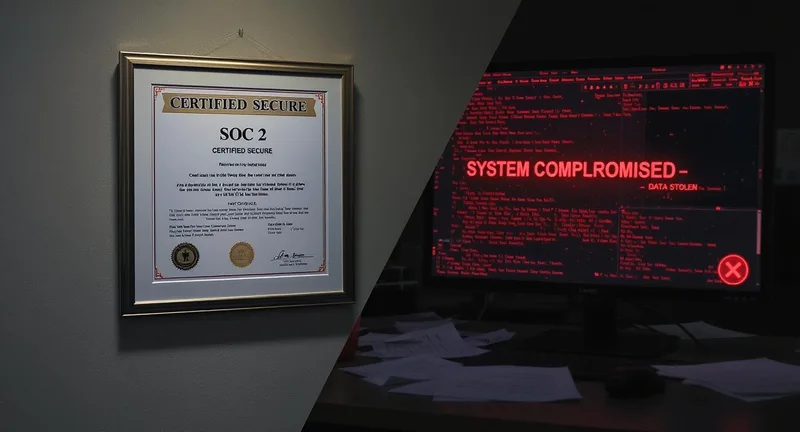
After decades of watching government departments wave certificates while getting breached, I'm done pretending compliance equals security. Yes, you need SOC 2 for some contracts. Yes, ISO27001 impresses procurement teams. But if you think those certificates will stop ransomware, you're living in a dangerous fantasy. I've seen FTSE 100 companies with pristine audit reports get absolutely destroyed by basic phishing attacks. It's time for some brutal honesty about what compliance actually protects
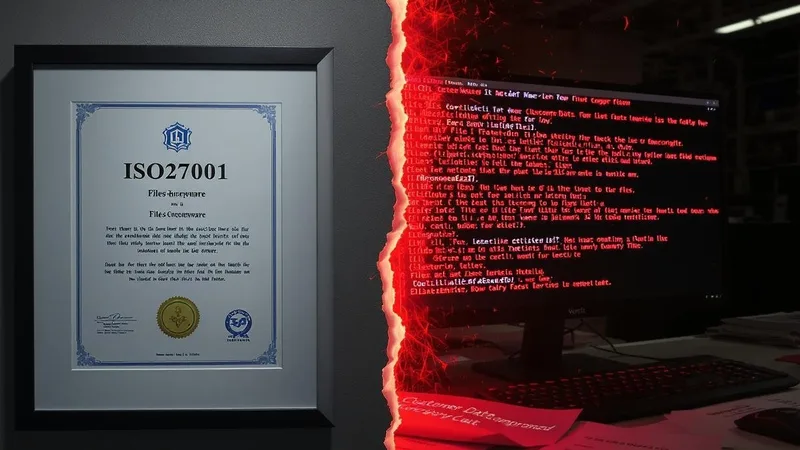
CASE STUDY: Midlands manufacturing SMB spent 18 months and £45,000 getting ISO27001 certified. Six months later: ransomware attack, £50k losses, customer data exposed. They had perfect documentation for email security but forgot to actually secure their email. This is compliance theatre in its purest form - expensive certificates that impress auditors but don't stop criminals. Today's case study exposes the brutal reality of governance vs protection and what UK SMBs should learn from this expens
The British Horseracing Authority just got absolutely hammered by ransomware, and frankly, I'm not surprised. Here's an organization that regulates a £1 billion industry, handles medical records for hundreds of jockeys, and oversees one of Britain's most prestigious sporting events. And they fell for the oldest trick in the book: some criminal rang their IT helpdesk, pretended to be an employee, and walked away with the keys to the kingdom. If the people who regulate horse racing can't secure th
Tired of consultants charging £10,000 for Cyber Essentials implementation that you can do yourself in six weeks? This step-by-step guide cuts through the consultant bollocks and shows you exactly how to implement CE yourself. Real timelines (6 weeks max), real costs (under £4,000), real templates you can actually use. No consultant dependency, no ongoing fees, no compliance theatre. Just practical security that actually protects your UK SMB while meeting NCSC requirements. Stop funding consultan
BREAKING: Another SOC 2 certified company just suffered a massive data breach. Shocked? You shouldn't be. While they were busy documenting their security procedures in triplicate, hackers walked through the front door they forgot to lock. This is compliance theatre in action: expensive certificates that impress auditors but don't stop criminals. Today's reality check exposes why governance frameworks fail against real threats and what UK SMBs should learn from this latest security disaster
Another UK SMB just spent £40,000 on ISO27001 certification. Three months later: ransomware. The compliance industry has convinced every 15-person company they need enterprise-grade paperwork to survive. Bollocks. While you're documenting your password policy in 47 formats, criminals are walking through the digital front door you forgot to lock. Today's deep-dive exposes the real cost of compliance theatre vs actual security. Spoiler: Cyber Essentials might actually protect you, ISO27001 will de
Your smart speaker isn't just listening for 'Hey Alexa.' British Security veteran dares you to try this simple experiment tonight. Fair warning: you might not sleep well afterwards. What you discover about your connected home will shock you into action.
Your smart home isn't smart: it's a corporate surveillance network that makes the Stasi look like amateurs. While you're asking Alexa about the weather, Amazon's recording everything and building psychological profiles to flog to advertisers. Your Samsung TV captures 30 screenshots per minute, Google Home logs every conversation, and data brokers are making millions from your family's most intimate moments. The FBI warns these devices can be hijacked, yet homes everywhere are stuffed with always
Your passwords are already for sale. The only question is whether you know it yet. Stolen credentials jumped from 10% to 16% of all cyberattacks in just one year, making it the second most common attack vector behind exploits. With 3.9 billion passwords compromised by infostealer malware and 94% of people reusing the same credentials across multiple sites, your business authentication isn't just vulnerable; it's already broken. While you're investing in firewalls and endpoint protection, crimina
Your MSP's favourite remote access tool just got breached. Again. ConnectWise ScreenConnect, the software thousands of managed service providers use to "protect" small businesses, has been hit by yet another cyberattack—this time by suspected state-sponsored hackers. But here's the real scandal: this is the same platform that suffered critical vulnerabilities in 2024, enabling ransomware gangs to turn MSP networks into criminal infrastructure. If your IT provider is still using repeatedly compro
Your £6,000 professional printer just joined a criminal botnet. For six months, Procolored shipped malware-infected drivers that turned customer systems into cryptocurrency theft machines, netting criminals nearly $1 million in stolen Bitcoin. When YouTuber Cameron Coward tried to install the "legitimate" software, his antivirus screamed warnings. Procolored's response? "False positive." Even after researchers found 39 infected files containing backdoors and Bitcoin stealers, the company kept de
The woman who oversees America's spies used the same piss-weak password across multiple accounts for years. If Tulsi Gabbard, the bloody Director of National Intelligence, can't manage basic password security, what hope do the rest of us have? This isn't just government incompetence, it's a wake-up call. When the person responsible for protecting national secrets treats cybersecurity like a Sunday crossword, every business owner needs to ask themselves: are my security practices any better? The
Your board meeting was spectacular. "Cloud transformation complete! 40% cost reduction!" The CEO used "digital excellence" without irony. Three days later, 590 million Ticketmaster records were for sale. The Snowflake breach wasn't sophisticated hacking—attackers used 2020 passwords from contractor gaming PCs that nobody changed. AT&T lost "nearly all" wireless customer data. Santander: 30 million records including account balances. None had basic multifactor authentication. While executives
It's 2025. You're reviewing quarterly security metrics, feeling pleased with zero phishing attempts. Meanwhile, the developer who pushed code yesterday is funnelling his salary to Kim Jong Un's nuclear programme. One facilitator helped infiltrate 300+ US companies, generating $6.8 million for weapons development. Google found them applying to Google. Cybersecurity vendors accidentally hired them. If the experts are getting played, your HR department doesn't stand a chance. They're not just colle
Pull up a chair. We need to talk about something that's going to make your skin crawl. While your sales team struggles to get prospects to return a bloody phone call, Iranian threat actors are convincing your employees to hand over the keys to your digital kingdom with the kind of charm and persistence that would make a used car salesman weep with envy. These aren't basement dwellers sending "Nigerian prince" emails—they're sophisticated operations turning social engineering into an art form whi